 ZG BAG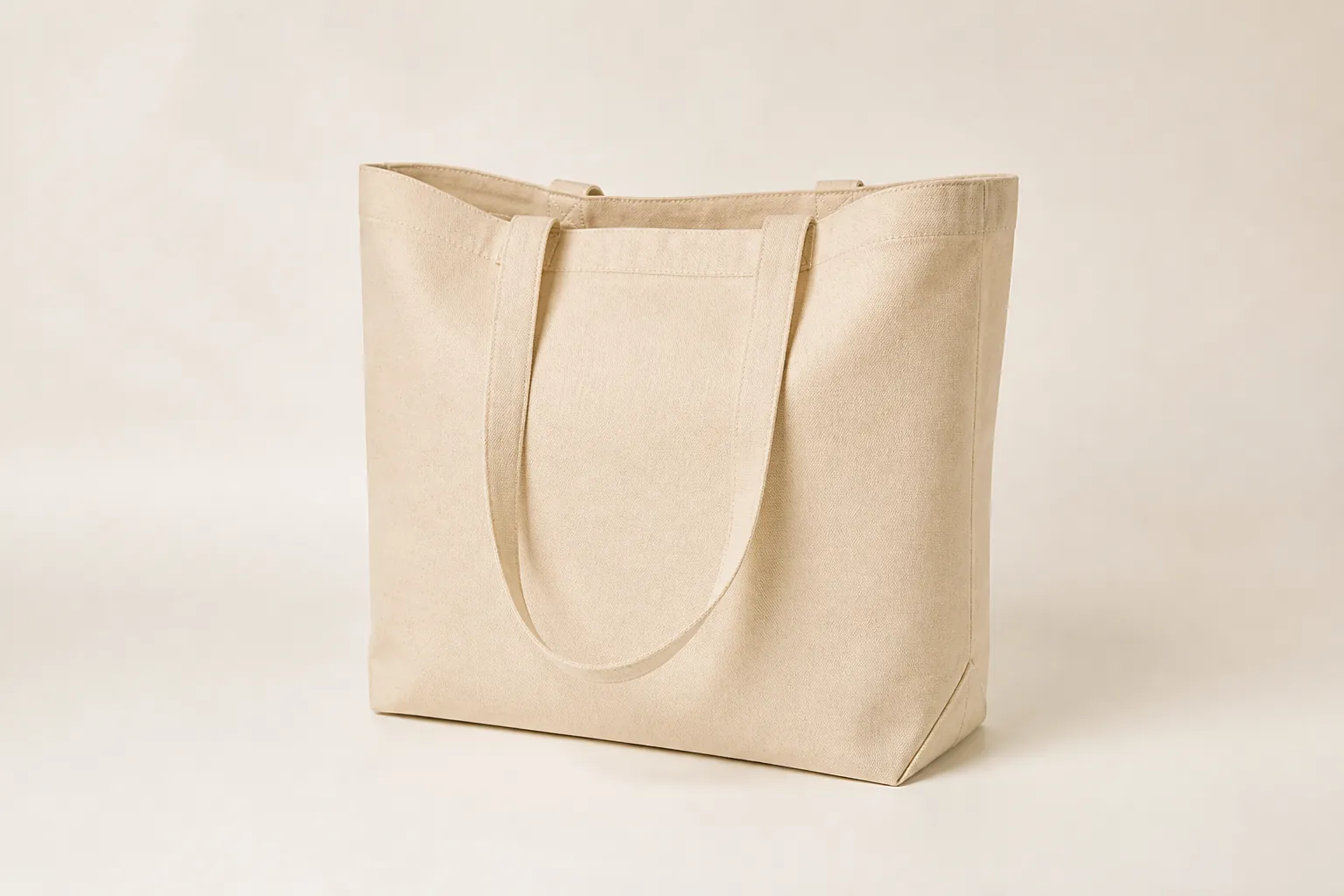
The right bag material depends on what the bag carries, how it will be used and how it should present your brand. Material names alone are not enough for a manufacturing brief. Size, fabric weight, construction, handles, printing and packing all affect the finished bag.
Cotton canvas is a familiar choice for retail totes, event bags and branded giveaways. When requesting a canvas bag, specify the fabric weight, finished dimensions, gusset, handle material and handle length. Explain the expected carrying load and where the logo should appear. A sample is useful for reviewing the feel of the fabric and the finished proportions.
Polyester and nylon can be considered for lightweight travel, sports and promotional formats. Ask about the fabric specification, any coating or lining, the pocket layout and the closure. If the design includes straps or reinforced points, show their position on a sketch or reference sample. Discuss the finish you expect rather than assuming a material name guarantees it.
Non-woven and PP woven fabrics are common options for reusable shopping bag programs. For either option, define the bag size, gusset, handle style, print area and expected load. The material specification and construction should match the way the bag will be carried and reused. Carton quantity and packing are also useful details for a larger retail order.
For insulated bags, cosmetic pouches and clear venue bags, the outer material is only part of the decision. Lining, insulation, transparency, zipper, trim and internal construction may matter just as much. If a venue or destination market has size or material rules, provide those rules in the brief so the design can be reviewed against them.
When you compare materials, request samples or clear construction photos for the shortlisted options. Confirm the final material, color, dimensions, decoration and packing in writing before bulk production. This makes quotations easier to compare and gives the production team a practical reference.